Peak Performance Starts with Hydration
Master the science of athlete nutrition and optimal hydration for superior endurance, strength, and recovery. Evidence-based strategies for male athletes who demand excellence.
The information on this site is for educational purposes only and does not constitute medical advice. Always consult a qualified healthcare professional before making health decisions.
What Elite Athletes Need to Know
Hydration Strategy
Understand fluid intake timing, electrolyte balance, and personalized hydration protocols for peak athletic output.
Nutrition Planning
Macronutrient distribution, meal timing, and nutrient-dense food choices to fuel intense training and competition.
Performance Metrics
Monitor endurance capacity, strength gains, body composition, and recovery quality through proper nutritional support.
Training Optimization
Align nutrition with training phases—strength, hypertrophy, endurance, and competition preparation.
The Science Behind Athlete Hydration
Dehydration reduces strength performance by 3–8%, impairs mental focus, and accelerates fatigue onset. Male athletes lose 1–2 liters of fluid per hour during intense exercise, depending on intensity, climate, and individual sweat rate. Proper hydration isn't guesswork—it's a measurable variable that directly impacts power output, endurance capacity, and recovery speed.
Beyond water, electrolyte balance (sodium, potassium, magnesium, calcium) regulates muscle contraction, nerve signaling, and fluid retention. Strategic sodium intake during exercise enhances fluid absorption and maintains plasma osmolality, preventing both dehydration and dangerous hyperhydration.
Research shows athletes who follow individualized hydration plans report 12–18% better endurance performance and significantly faster recovery compared to ad-libitum (drink when thirsty) approaches.
Read Full Hydration Guide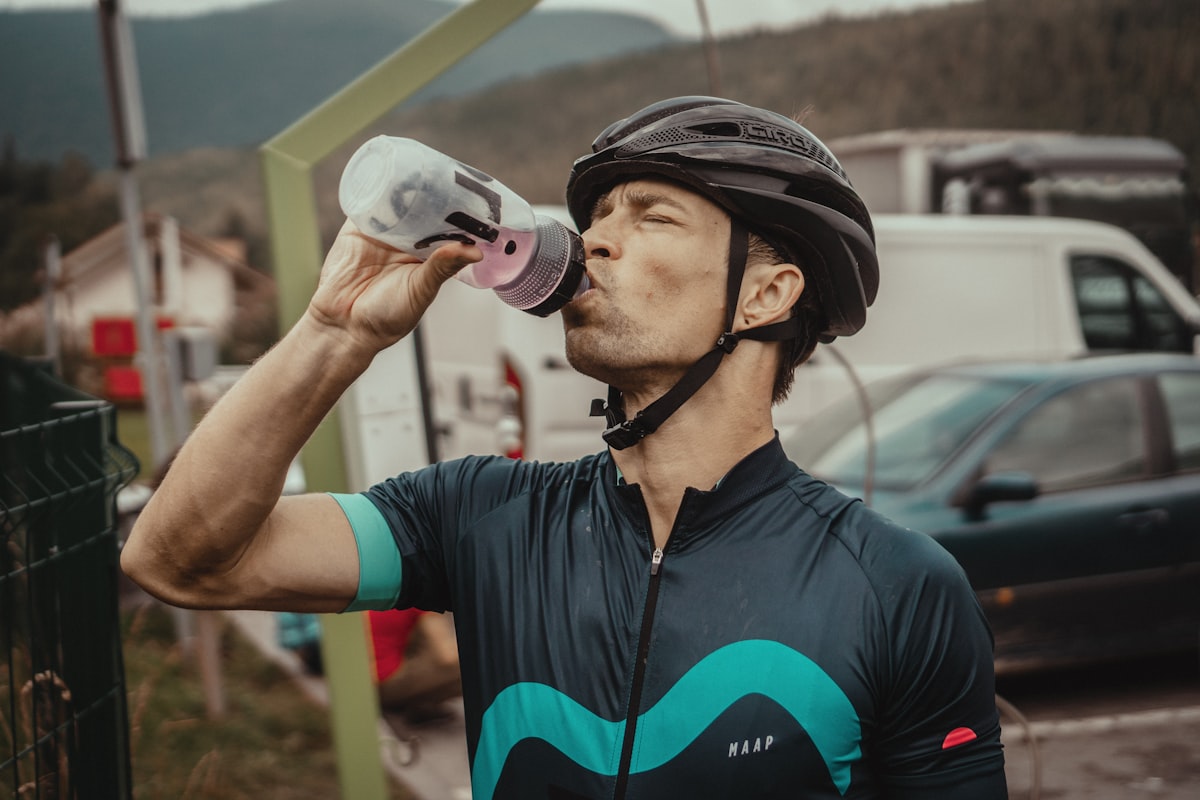
Essential Nutrition Pillars for Male Athletes
Protein & Amino Acids
Protein intake of 1.6–2.2g per kilogram of body weight daily supports muscle repair, hypertrophy, and immune function. Leucine-rich sources trigger mTOR signaling for protein synthesis. Timing and distribution across meals optimize muscle protein balance during training phases.
Carbohydrates & Energy
Carbs fuel high-intensity efforts and restore muscle glycogen post-exercise. Endurance athletes require 5–10g per kilogram daily; strength-focused athletes, 4–7g. Timing carbs around training windows maximizes adaptation and performance capacity.
Healthy Fats & Recovery
Dietary fats support hormonal health, reduce inflammation, and enhance nutrient absorption. Omega-3 polyunsaturated fats (EPA/DHA) lower exercise-induced inflammation and support cardiovascular and cognitive function. Target 0.5–1.5g per kilogram daily.
Micronutrients & Performance
Iron, zinc, magnesium, and B vitamins regulate energy metabolism, oxygen transport, and muscle function. Deficiencies blunt performance gains and slow recovery. Diverse whole-food intake or strategic supplementation prevents deficiency-driven performance loss.
Electrolyte Balance
Sodium, potassium, and calcium regulate neuromuscular function, fluid balance, and muscle contraction. Strategic electrolyte intake during exercise lasting over 60 minutes prevents hyponatremia and maintains plasma osmolality for optimal performance.
Nutrient Timing
Peri-workout nutrition (30–120 minutes around training) maximizes protein synthesis, glycogen repletion, and adaptation. Pre-exercise meals support energy availability; post-exercise windows optimize recovery. Consistent meal timing builds metabolic resilience and performance consistency.
Why Healthyhabmen Leads in Athletic Nutrition Education
-
Evidence-Based Content
All guidance references peer-reviewed sports nutrition research, exercise physiology, and real-world athlete performance data.
-
Male-Specific Focus
Content tailored to male hormonal profiles, strength-building protocols, and testosterone-responsive training nutrition strategies.
-
Indonesia-Centered Guidance
Localized advice on tropical climate hydration needs, available local foods, and year-round training in high-heat environments.
-
Practical Actionable Plans
Detailed nutrition plans, hydration schedules, and sample meal structures you can implement immediately for measurable performance gains.
-
No Proprietary Bias
Editorial independence means recommendations prioritize your athletic goals, not supplement brand partnerships. Honest, transparent nutrition science.
Training Nutrition in Action
Pre-Workout Nutrition
Strategically timed carbs, moderate protein, and minimal fiber 90–120 minutes before training optimize energy availability and prevent gastrointestinal stress during intense effort.
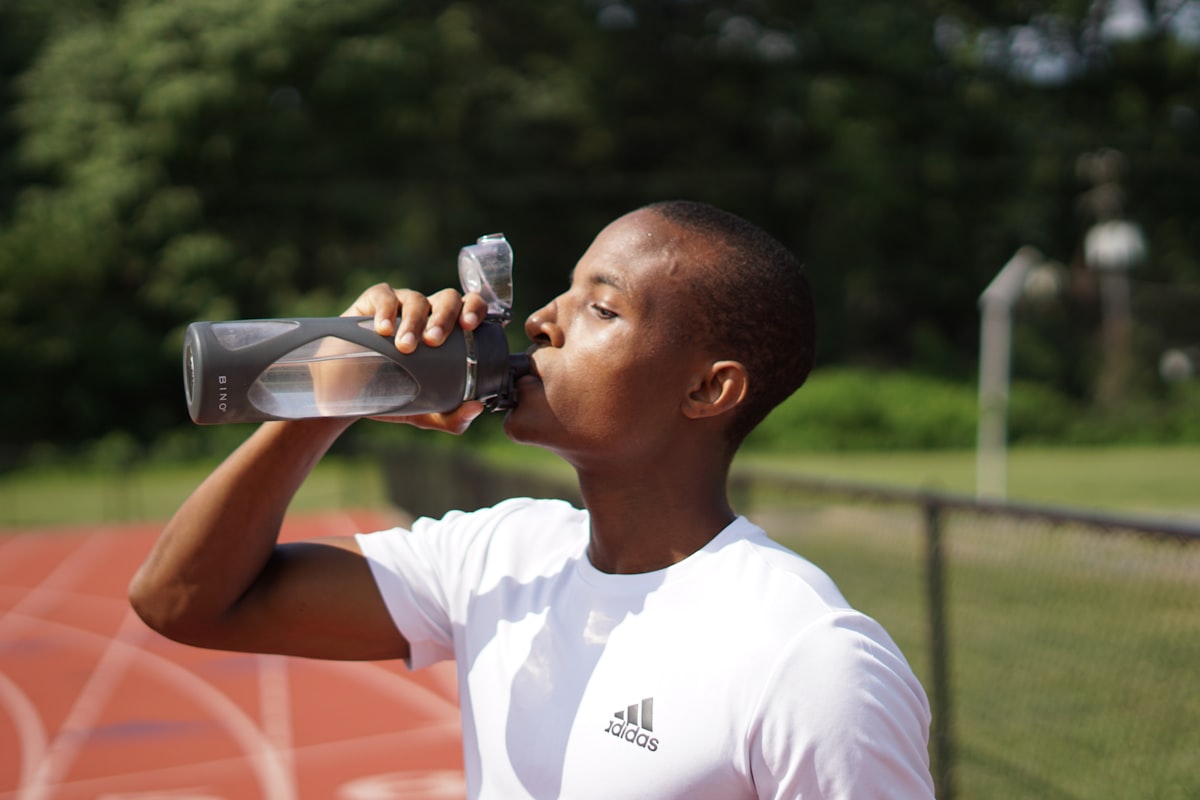
Intra-Workout Hydration
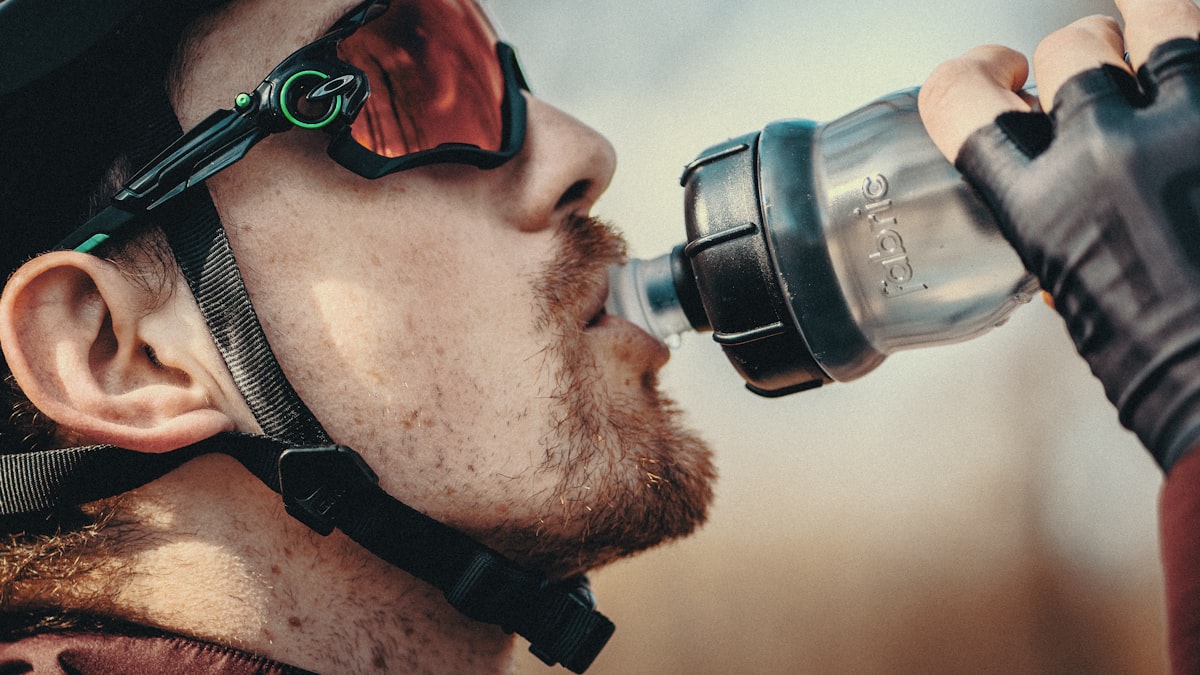
During exercise lasting 60+ minutes, consume 30–60g carbs and 300–600mg sodium per hour with fluid. This maintains blood glucose, delays fatigue, and preserves power output.

Post-Workout Recovery
Within 30–60 minutes post-exercise, combine 20–40g protein and 0.8–1.2g per kg body weight carbs. This accelerates muscle protein synthesis and glycogen repletion for faster adaptation.
Daily Meal Structure
Distribute protein across 4–5 meals daily (25–35g each) to optimize muscle protein synthesis. Include a variety of carb and fat sources timed around training phases.
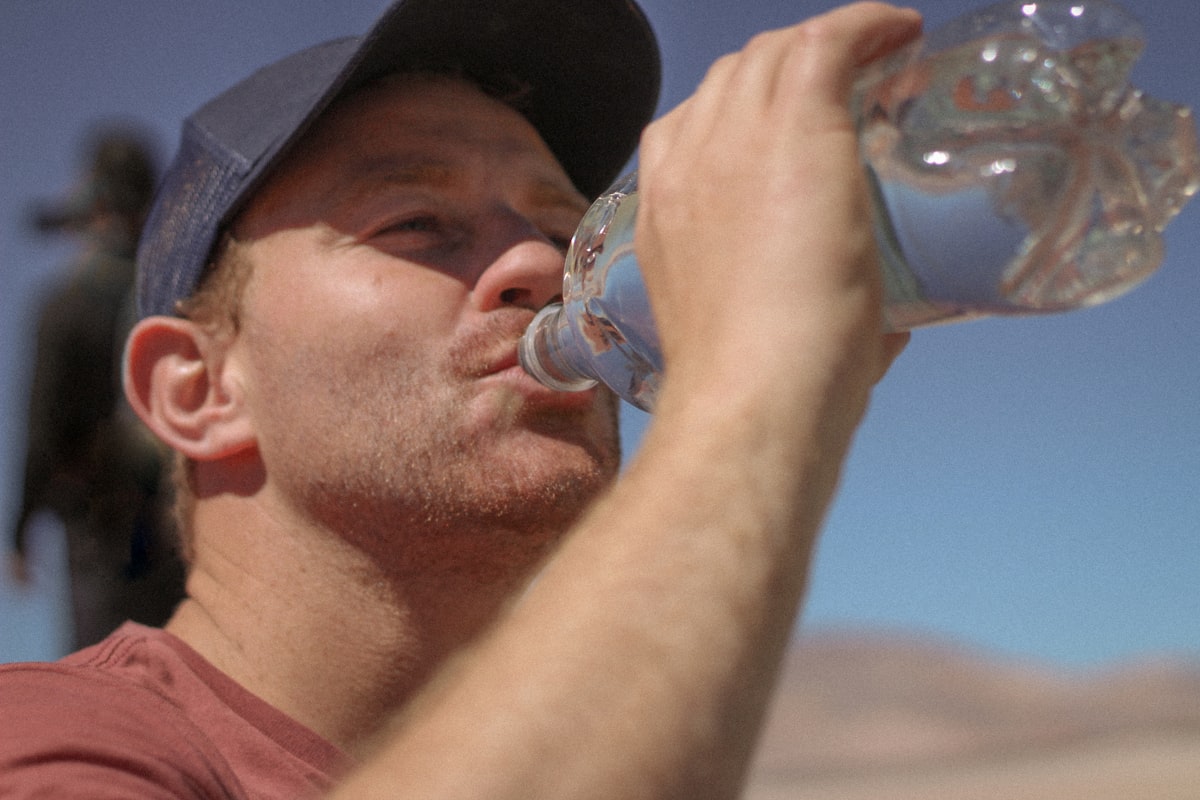
Sweat Rate Assessment
Calculate your individual sweat rate through controlled testing. This baseline enables precise fluid replacement strategies, preventing both dehydration and overhydration across different environments.
Sleep & Recovery Nutrition
Casein-based meals or slow-digesting proteins before bed support overnight muscle protein synthesis. Strategic magnesium and micronutrient intake promotes deeper sleep and hormonal recovery.
Common Questions About Athletic Nutrition
What Elite Athletes Say
"Healthyhabmen's hydration guide completely transformed my approach to training. I implemented their sweat rate assessment and sodium strategy, and within three weeks my endurance improved noticeably. I used to hit a wall after 90 minutes; now I'm pushing strong at two hours. The science-backed advice gave me the confidence to abandon the guesswork approach I'd been using for years."
Rizki Pratama
Bandung, Professional Distance Runner
"As a strength athlete focused on muscle gain, I needed evidence-based nutrition guidance tailored to male physiology. The protein distribution protocol and peri-workout timing strategies are game-changers. I've built 4kg of lean mass in four months while maintaining low body fat. The nutrition plans are practical and easy to implement without obsessive tracking."
Adi Gunawan
Jakarta, Strength & Conditioning Coach
"Training in Indonesia's tropical climate requires different hydration strategies than generic guides suggest. Healthyhabmen's localized approach to heat adaptation and electrolyte timing has been invaluable. My recovery times have shortened, and I've noticed better power output during intense afternoon sessions. The content is honest and unbiased—no supplement company bias, just real science."
Budi Santoso
Surabaya, Cycling Athlete
"I've read dozens of nutrition books, but Healthyhabmen's guides are the clearest and most actionable I've encountered. The explanation of micronutrient roles in performance was eye-opening. I adjusted my intake based on their recommendations and immediately noticed better energy during workouts and faster recovery. The FAQ section answered questions I didn't even know I had."
Wayan Kusuma
Bali, Amateur Triathlete
Ready to Optimize Your Athletic Nutrition?
Start your hydration journey today with evidence-based guides, actionable nutrition plans, and science-backed performance strategies for male athletes.
For content questions or feedback about our articles, contact our editorial team at [email protected] or call +62 642 742 378.